The Seizure Emergency SafeSteps Platform
Educating caregivers. Saving lives.
"Witness a seizure emergency? Take Safesteps."
Educating caregivers. Saving lives.
"Witness a seizure emergency? Take Safesteps."
Critical steps to take during a seizure.
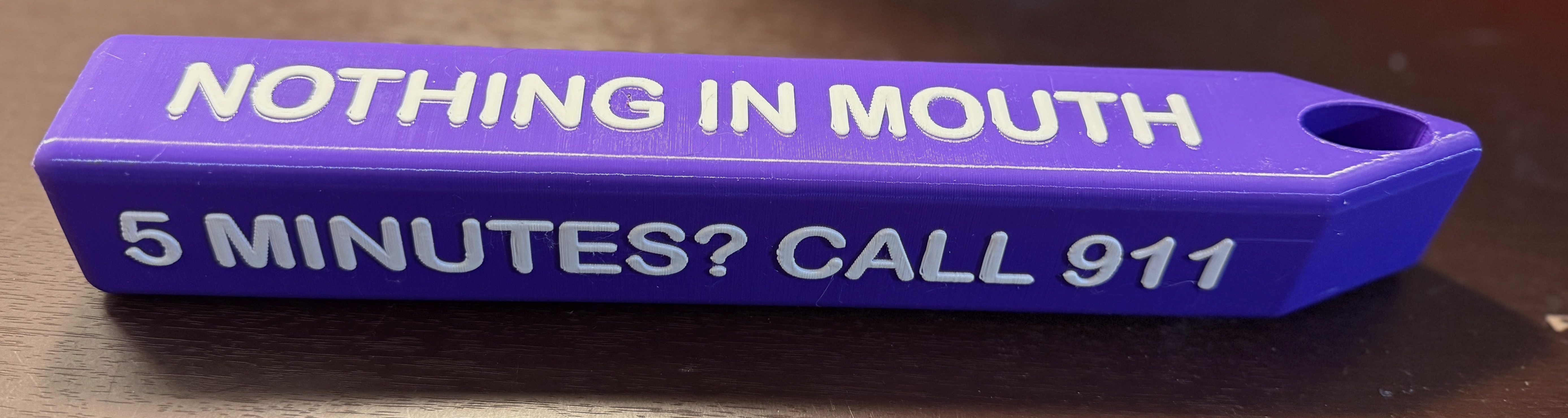
There is a myth that you can swallow your tongue and die during a seizure, and therefore people should put something into your mouth to save you. In fact, our lab published a study about this. This is a foolish myth without factual basis.
Indeed, many people do put things into the mouth of people having seizures, and then the patient gets hurt (like breaking a tooth) or swallows something that they might choke on. Putting something in the mouth only ADDS danger. Never do it.
Convulsive seizures that last longer than 5 minutes are likely to cause brain damage. Time is brain.
Most seizures last less than 2 minutes, so if a patient is still convulsing after 5 minutes, they are having a life threatening emergency, and there is no time to do anything except call an ambulance, who likely have life-saving medicine onboard.
Patients that have seizures can injure their head. It is easy to move things away from them, cover sharp things with pillows, blankets, clothing or other soft objects.
Patients sometimes can vomit during or after a seizure. If this happens, they should vomit OUT of their body, rather than IN to their lungs, which can cause aspiration pneumonia. Therefore, it is important to lay the patient down on their side.
The goal was something very easy to read, something non-stigmatizing—for example, not using the words "epilepsy" or "seizure"—and something pretty simple that most people could understand without a whole lot of explanation.
SafeSteps T is available in 21 languages, and different shapes. Because there is written text on this keychain, it includes the country-specific emergency phone number (e.g., 911 in the USA, 112 in Europe).
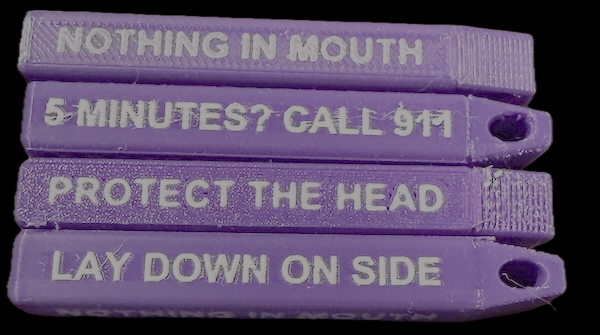
A keychain printed in 2 colors with a tactile component (raised letters). Includes the country-specific emergency phone number.
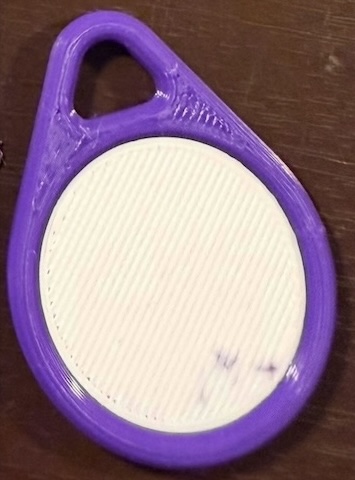
Designed for those who prefer no visible text. A small, clean fob with Near Field Communication technology.
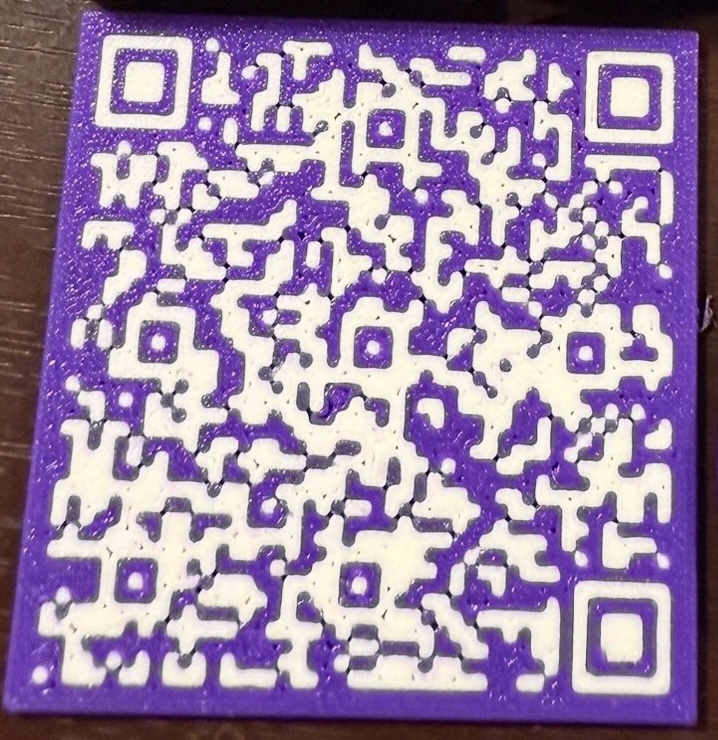
Quick Response code version. Scans to dynamic emergency instructions based on location.
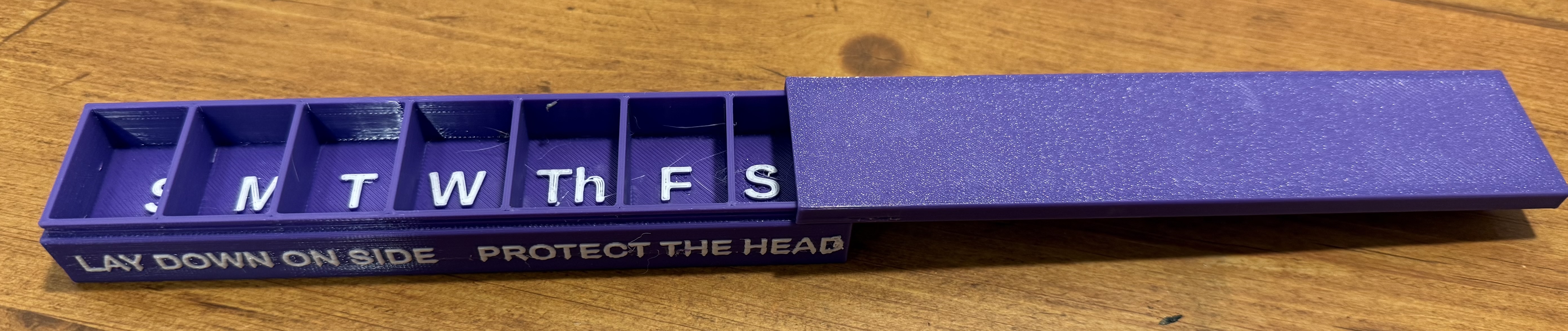
A container for medications that integrates the safety steps into its design.
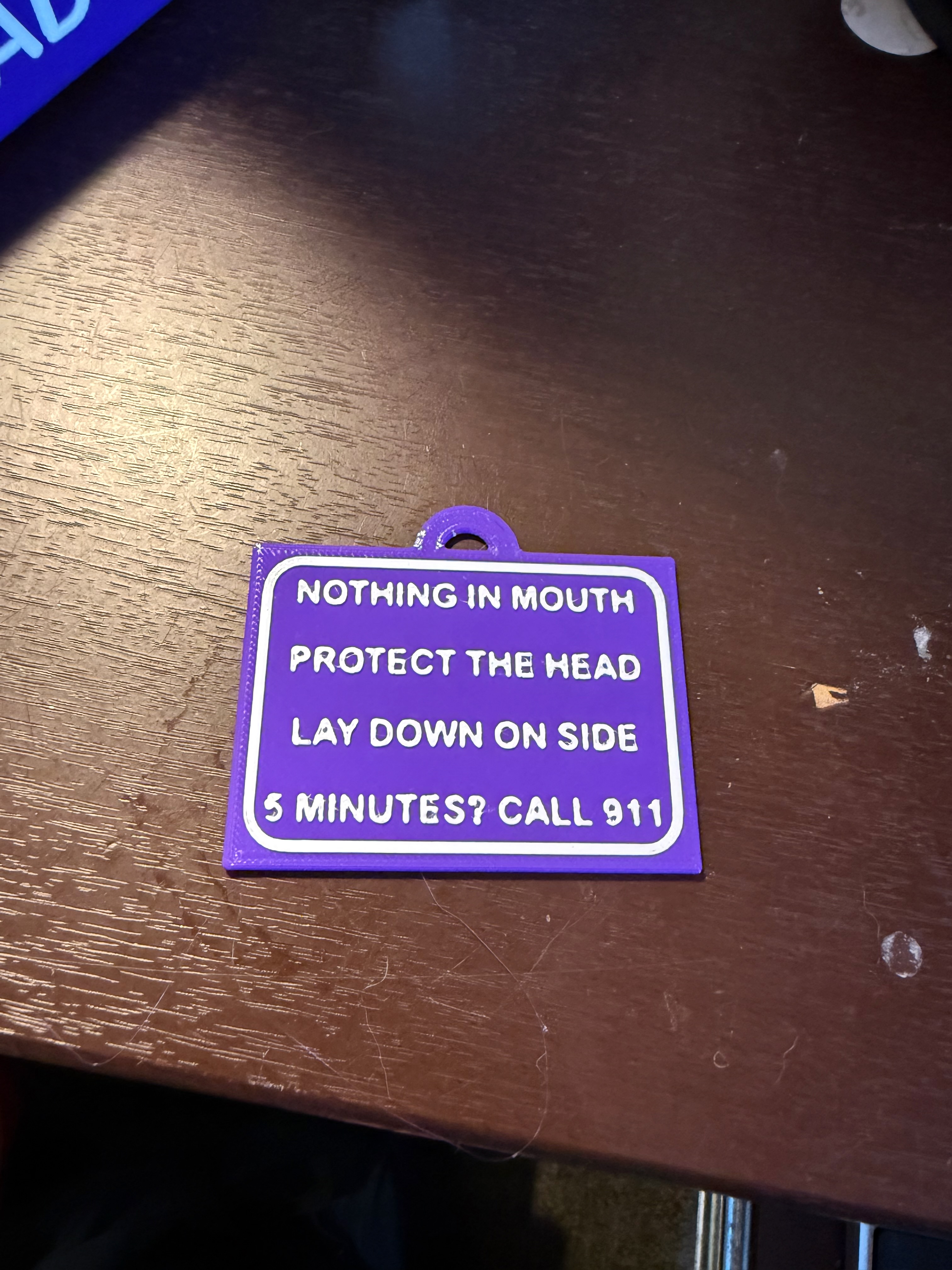
Larger format signage for schools, offices, or homes to keep instructions visible.
This is a project that was born out of the necessity to teach caregivers, family members, physicians, and other people how to properly react to a seizure emergency period. Although handouts exist and courses exist, one problem is that neither of these things would be very likely to be available at the time that they are needed, that is, at the time of an emergency.
So a simple idea was born: Bring some kind of small, simple physical object right to the emergency itself.
For additional inspiration, the designs were evaluated and worked with in VR using GravitySketch.
Once it became clear that multiple versions will be needed, an AI-assisted version was developed based on the earlier prototypes to be rendered with OpenSCAD.
Prototyping in GravitySketch
AI-assisted programmatic 3D modeling
Director, Epilepsy + Data Science Lab
Harvard Beth Israel Deaconess Medical Center
daniel.goldenholz@bidmc.harvard.edu"He is a board certified epileptologist and he absolutely hates epilepsy."
Website updated.
ᜏᜒᜃᜅ᜔ ᜆᜄᜎᜓᜄ᜔ added. New updated openSCAD for SafeSteps Pillbox added. Pillbox added!
עברית added. Languages and openSCAD for SafeSteps T and Sign now merged.
We are adding experimental versions of 20 languages for the SafeSteps T keychain.
Now QR codes or NFC taps will lead to the SafeSteps website, which will dynamically list the correct emergency phone number for the relevant country.